The Expert’s Guide to Titanium CNC Machining: Grade 5, Grade 2 & Medical Alloys
By The CNMP Expert Team
If Aluminum is the “Bread and Butter” of CNC machining, Titanium is the “Caviar.”
It is prized by aerospace engineers for its strength-to-weight ratio and by surgeons for its biocompatibility. But for the machinist, Titanium CNC machining is a battle against physics.
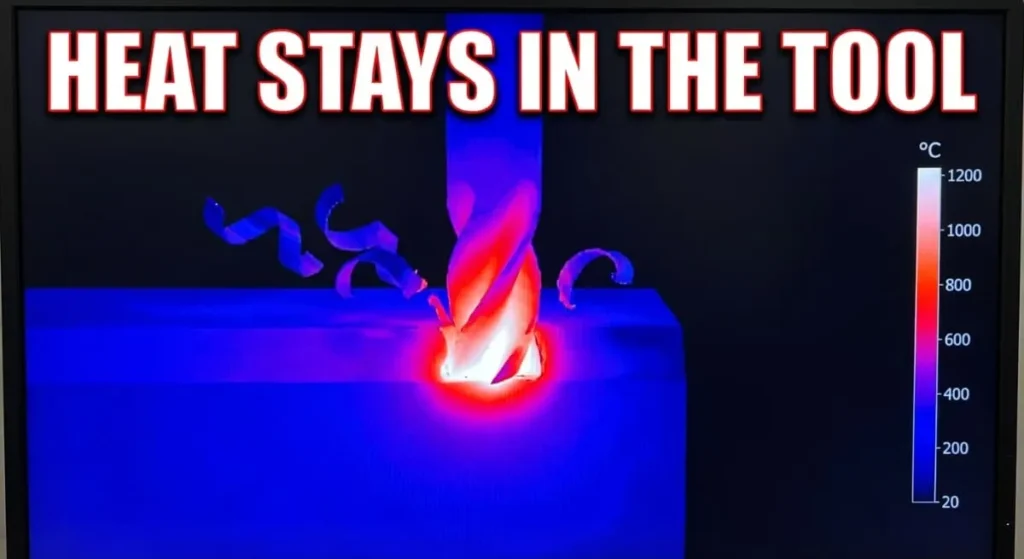
Titanium has a unique property: Low Thermal Conductivity.
- When we machine Aluminum, the heat leaves with the chip.
- When we machine Titanium, the heat stays in the tool.
This creates a “thermal wall” that can destroy carbide cutters in seconds. At CNMP, we have mastered the art of cutting Titanium without burning it. In this guide, we break down the grades, the risks, and the strategies for precision titanium parts.
The Two Kings of Titanium CNC Machining
Pure vs. Alloyed. Know the difference.
Although there are many grades, 90% of the market relies on just two.
1. Grade 5 (Ti-6Al-4V): The Aerospace Workhorse
- The Chemistry: Titanium + 6% Aluminum + 4% Vanadium.
- The Scientist: “This alloy is significantly stronger than pure titanium. It has the same strength as some steels but is 45% lighter. It is heat-treatable.”
- The Machinist: “Rating: 3.5/5. Tough & Springy.””This is the most common material for titanium cnc machining. It isn’t ‘hard’ like hardened steel, but it is ‘springy’ (Low Modulus of Elasticity). It wants to push the tool away, causing chatter. We must use sharp, positive-rake tools and maintain constant feed pressure to prevent rubbing.”
- Best For: Aircraft structural parts, engine components, high-performance racing parts.
2. Grade 2 (Commercially Pure): The Chemical Shield
- The Chemistry: 99% Pure Titanium.
- The Scientist: “Excellent corrosion resistance but much lower strength than Grade 5.”
- The Machinist: “Rating: 2.5/5. Gummy.””Surprisingly, pure titanium is harder to finish than the alloy. Like Copper, it is gummy. It creates long, stringy chips that clog the machine. It tends to gall (stick) to the tool.”
- Best For: Chemical processing equipment, heat exchangers, medical cases (where strength isn’t critical).
3. Grade 23 (Ti-6Al-4V ELI): The Medical Standard
- The Difference: “ELI” stands for Extra Low Interstitial. It is a purer version of Grade 5 with better fracture toughness.
- Best For: Bone screws, dental implants, surgical staples.
Why is Titanium CNC Machining So Difficult?
The “Tool Killer” explained.
To quote our Shop Floor Manager: “Titanium doesn’t cut; it shears and burns.”
1. The Heat Trap (Thermal Conductivity)
Titanium is a terrible conductor of heat (only 1/10th of Aluminum).
- The Result: During titanium CNC machining, temperatures at the tool tip can exceed 1,000°C (1,800°F) instantly.
- The Fix: We use High-Pressure Coolant (1000 PSI) directed exactly at the cutting edge to blast the heat away.
2. Work Hardening (The Glaze)
Like Stainless Steel 304, Titanium work-hardens instantly.
- The Machinist: “If the tool stops moving (dwells) for even a split second, the surface becomes harder than the cutter. The next pass will shatter the tool. Rule 1: Keep the tool moving.“
3. The Fire Hazard (Safety First)
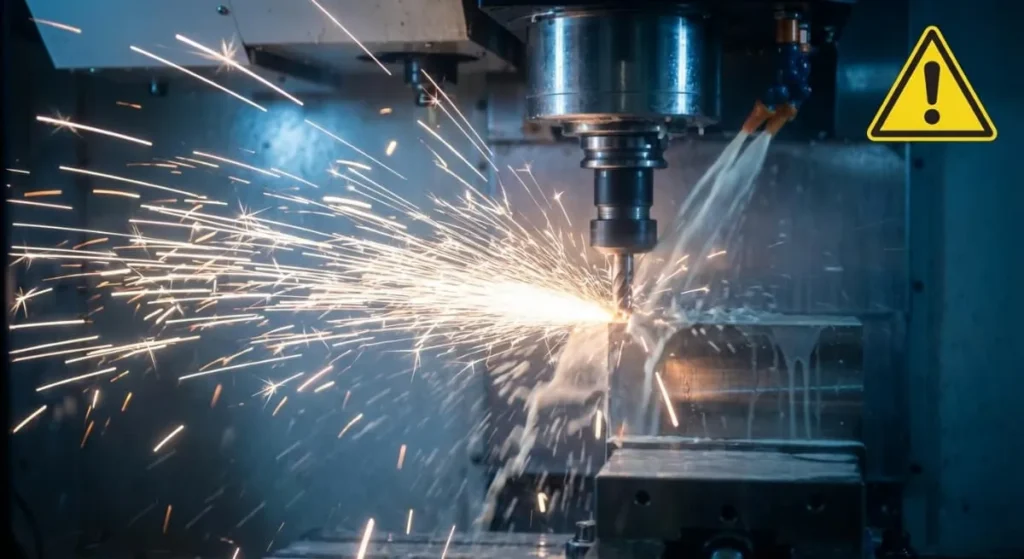
Titanium chips are highly flammable. Small, hot chips can ignite and burn at 3000°C.
- Shop Floor Reality: “We never machine Titanium without a Class D fire extinguisher nearby. We never use oil-based coolant for heavy cuts.”
Titanium vs. The Alternatives
When to pay the “Titanium Tax”?
Titanium is expensive—both in raw material and machining time.
| Material | Strength | Weight | Cost | Heat Resist | Best Feature |
| Titanium Gr5 | High | Low | $$$$$ | High | Strength-to-Weight Ratio |
| Aluminum 7075 | Med | Lowest | $$ | Low | Lightweight & Cheap |
| Stainless 316 | Med | High | $$$ | Med | Corrosion Resistance |
| Steel 4140 | V. High | High | $$ | Med | Cheap Strength |
| PEEK Plastic | Low | Lowest | $$$$$ | High | X-Ray Transparent |
Expert Insight:
“If you need lightweight and high strength, use Titanium. If you just need lightweight, use Aluminum. If you need corrosion resistance but weight doesn’t matter, use Stainless Steel.”
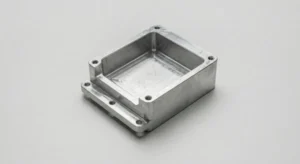
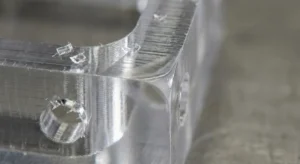
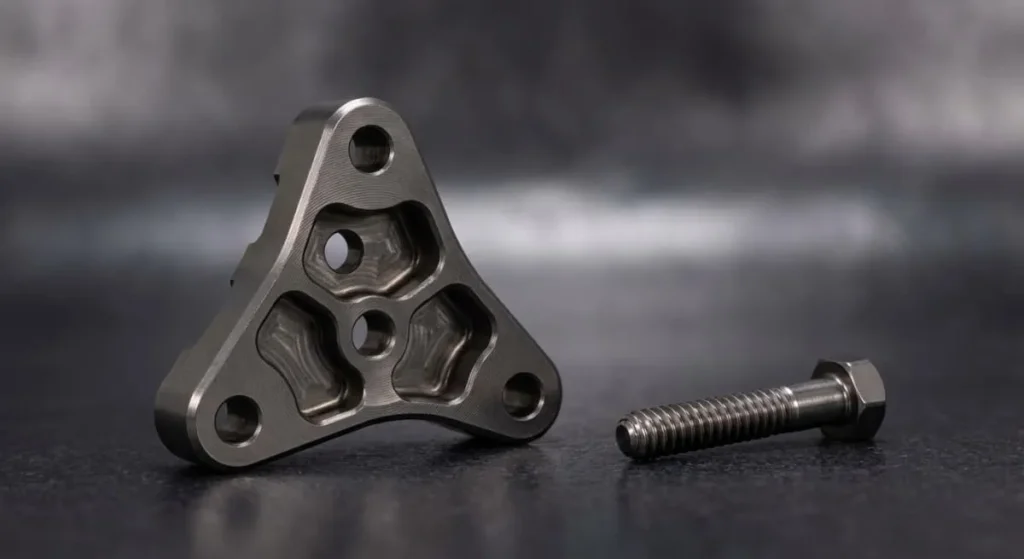
Visualizing Titanium CNC Machining Quality
What does a perfect titanium part look like?
Tips for Reducing Costs in Titanium CNC Machining
- Avoid Deep Pockets: Titanium is “springy.” Long tools vibrate (chatter), ruining the finish and killing the tool. Keep features shallow (Length:Diameter < 3:1).
- Corner Radii: Don’t specify sharp internal corners. A larger radius allows the tool to turn smoothly, preventing the “stop-and-burn” effect.
- Grade Selection: Don’t specify Grade 5 if Grade 2 works. Grade 2 is cheaper and easier to form.
Ready for the Challenge?
Titanium is not for every shop. It requires specialized tooling, high-pressure coolant, and fire safety protocols.
At CNMP, we process tons of Ti-6Al-4V every year.
Contact CNMP for a quote on your high-performance titanium parts.